
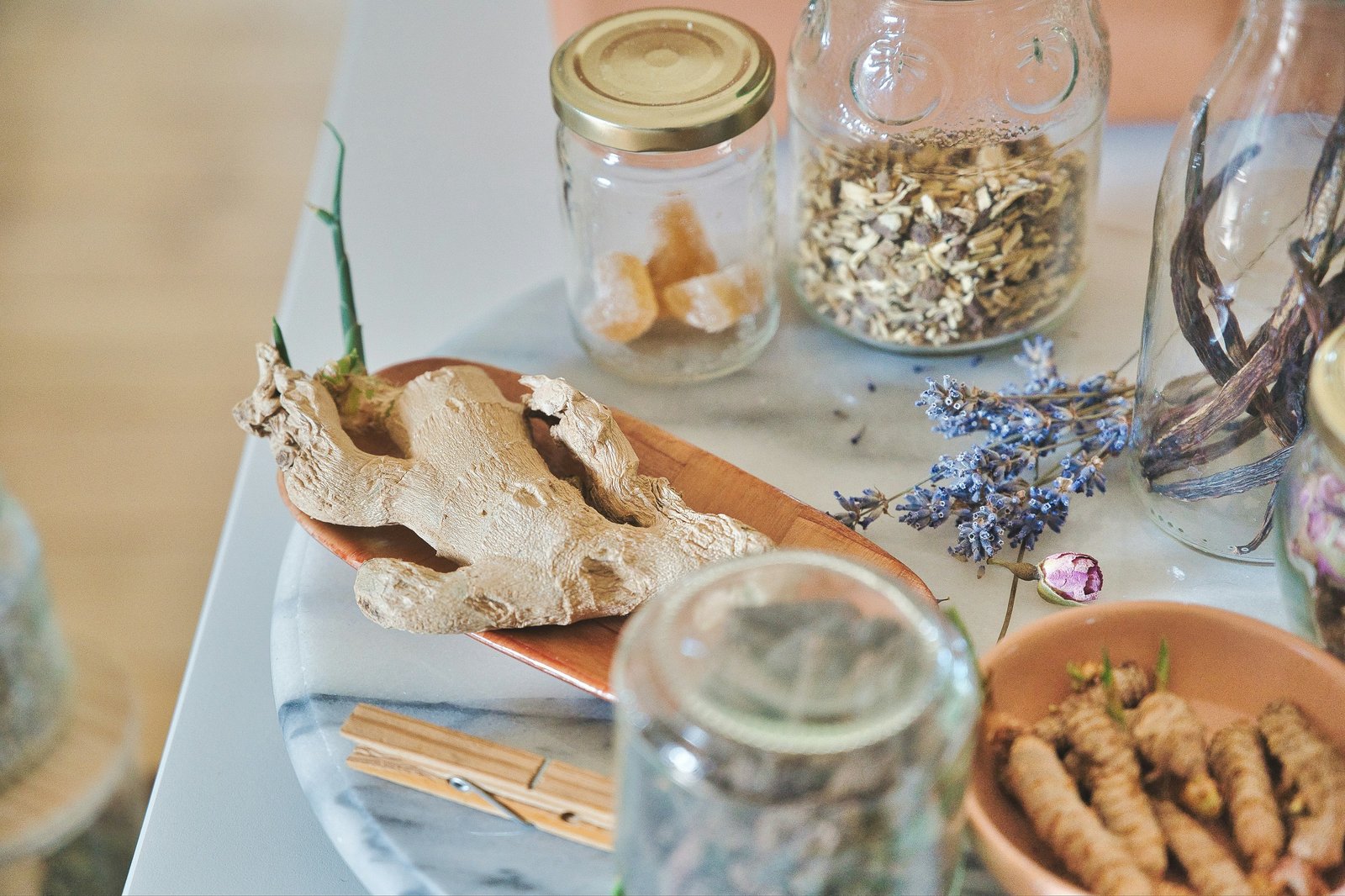
Ashwagandha, Tulsi, Turmeric: What Science Now Says About These Old Ayurvedic Herbs
Old Home Remedies Are Getting a Second Look From Science
Your grandmother's kitchen probably has more medicine in it than you think. Herbs like ashwagandha, tulsi, and turmeric have been used in Ayurveda, India's old system of natural healing, for thousands of years. Now, modern scientists are studying these same herbs in labs and clinical trials. Some old claims are holding up well. Others need more proof. Here's a simple, honest look at what today's research actually shows.
Where These Herbs Come From: A Very Old Science
Ayurveda comes from India and is thousands of years old. It focuses on keeping the body and mind in balance using food, herbs, and lifestyle habits. Many Ayurvedic herbs are everyday foods you probably already have at home, like turmeric and ginger. Others, like ashwagandha, are less common but easy to find as powders or capsules today.
Who Should Pay Attention to This: Anyone Managing Stress or Daily Health
You don't need a health condition to benefit from learning about these herbs. People use them for everyday things: feeling calmer, sleeping better, easing joint pain, or simply supporting overall health. That said, older adults, pregnant women, and people on regular medicines should be more careful, since herbs can still interact with health conditions and drugs.
Seven Ayurvedic Herbs, and What Research Actually Shows
1. Ashwagandha
This is probably the most studied Ayurvedic herb today. Ashwagandha is called an "adaptogen," meaning it may help the body handle stress better. Research shows it can lower cortisol, the body's main stress hormone, and some studies link it to less anxiety and better sleep. A 2025 review in the journal Biogerontology even looked at how ashwagandha may support healthy aging and protect the brain over time.
2. Turmeric (Haldi)
Turmeric is the bright yellow spice in almost every Indian kitchen. Its active ingredient, curcumin, is known for fighting inflammation. Research suggests curcumin may modestly ease joint pain from arthritis. One catch: your body doesn't absorb curcumin very well on its own, which is why turmeric is often paired with black pepper to help it work better.
3. Tulsi (Holy Basil)
Tulsi is sometimes called the "queen of herbs" in Ayurveda. It's used for stress, immunity, and breathing comfort. A review in the Journal of Ayurveda and Integrative Medicine called it "an herb for all reasons," noting research on its role in blood sugar, blood pressure, and memory. A more recent look at 2024-2025 clinical trials found evidence for tulsi's effects on stress, metabolism, and heart health, though researchers say larger trials are still needed.
4. Amla (Indian Gooseberry)
Amla is one of the richest natural sources of vitamin C. In Ayurveda, it's valued for immunity, digestion, and hair health, and modern nutrition research generally agrees that vitamin C-rich foods support immune function.
5. Guduchi (Giloy)
Guduchi is a classic Ayurvedic herb for immunity. Along with tulsi and amla, it's one of the most commonly recommended herbs for immune support in Ayurvedic practice.
6. Shatavari
Shatavari is traditionally used to support women's health, especially hormone balance. A 2025 Indian study looked specifically at ashwagandha and shatavari together for menopause symptoms, adding to a small but growing body of modern research on this herb.
7. Brahmi
Brahmi is traditionally used to support memory and focus. It's often included in Ayurvedic formulas aimed at mental clarity and calm, alongside herbs like ashwagandha and tulsi.
When the Evidence Is Strong, and When It's Still Early
| Herb | Strength of evidence |
|---|---|
| Ashwagandha | Fairly strong for stress, sleep, and anxiety |
| Turmeric | Moderate for inflammation and joint pain; absorption is a challenge |
| Tulsi | Growing, but more large human trials are still needed |
| Amla, Guduchi, Shatavari, Brahmi | Promising, but based on fewer large studies so far |
How to Use Ayurvedic Herbs Safely
- Herbs used as everyday food, like turmeric in cooking, are generally safe for most people.
- Concentrated supplements are stronger, and can interact with medicines like blood thinners or diabetes drugs.
- Buy from a trusted, reputable brand, since herbal products are not always tightly regulated.
- Start with a small amount and watch how your body reacts.
- Tell your doctor about any herb or supplement you're taking, especially before surgery or if you're pregnant.
- Give it time. Herbs usually work slowly and gently, not overnight.
Good to know: Ayurvedic herbs are best seen as support for everyday wellness, not a cure for serious illness. If you have an ongoing health condition, they can often be used alongside regular treatment, but only with your doctor's knowledge, not instead of it.
Frequently Asked Questions
- Which Ayurvedic herb is best for stress?
- Ashwagandha has the strongest research behind it for stress. Several studies show it can lower cortisol, the body's main stress hormone, and help people feel calmer.
- Are Ayurvedic herbs safe to take every day?
- Many are safe in normal food amounts, like turmeric in cooking. But concentrated supplements can interact with medicines or cause side effects, so it's best to check with a doctor first, especially if you're pregnant, on medication, or have a health condition.
- Can Ayurvedic herbs replace my regular medicine?
- No. Ayurvedic herbs can support general wellness, but they are not a replacement for prescribed medicine. Never stop or change a medicine without talking to your doctor first.
Bottom Line
Ayurvedic herbs like ashwagandha, tulsi, and turmeric are getting real attention from modern science, and some of that old wisdom is being backed up by actual studies. Still, these herbs work best as gentle, everyday support, not a quick fix or a replacement for medical care. Used the right way, with a doctor's knowledge, they can be a simple, natural addition to daily health.
References and Further Reading
- Apollo247. 7 Ayurvedic Herbs Everyone Should Know About. Read the article
- Apollo247. 10 Powerful Ayurvedic Herbs and Their Incredible Health Benefits. Read the article
- Vittal M, Vinciguerra M. Enhancing healthspan with Ashwagandha (Withania somnifera): a comprehensive review. Biogerontology (2025). Read the study
- The Queen Bee. 7 Ayurvedic Herbs for Immunity, Backed by Tradition and Research. Read the article
- Organic India. Tulsi, Ashwagandha, or Both? Read the article
- Ayurved Healing. Tulsi (Holy Basil): What 2024-2025 Clinical Trials Actually Found. Read the review
- Healthline. 10 Impressive Health Benefits of Ayurvedic Herbs. Read the article
- Changing With The Change. Sacred Ayurvedic Herbs and Modern Menopause Research. Read the article
Disclaimer: This article is for general information only and is not medical advice. Talk to a doctor before starting any herb or supplement, especially if you take other medicine, are pregnant, or have a health condition.