
Brahmi: The 5,000-Year-Old Herb Science Is Still Studying for Memory
A Herb That's Been Trusted for Memory Since Ancient Times
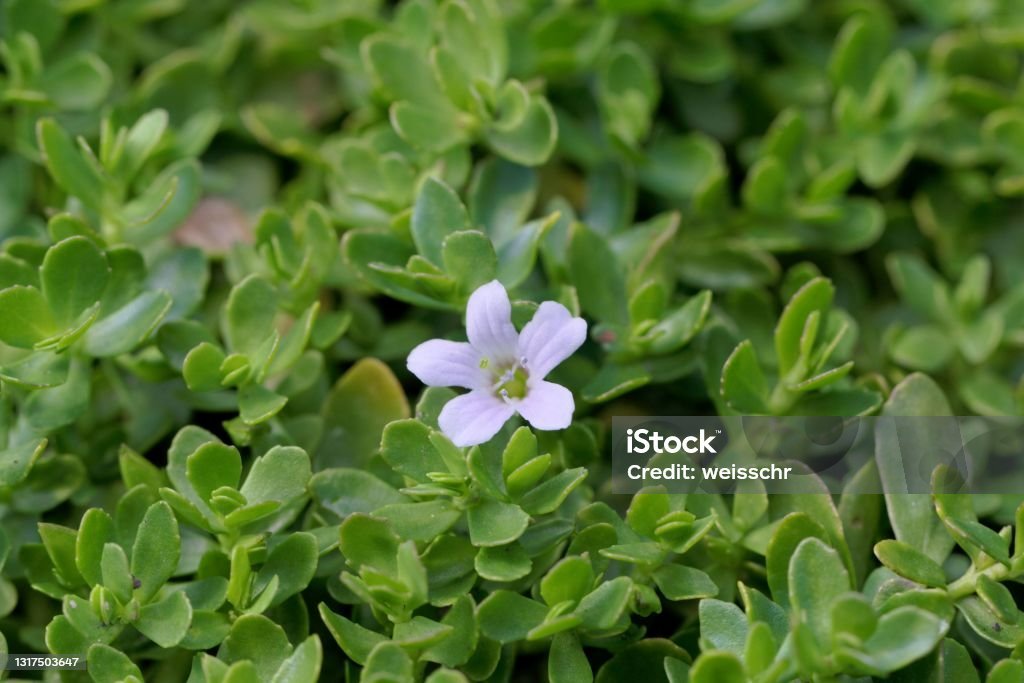
Brahmi (scientific name Bacopa monnieri, also called water hyssop) is a small, creeping plant that grows in wet, marshy ground across India and other parts of the world. It has been used in Ayurveda for around 5,000 years, mostly to support memory, learning, and mental clarity. Today, scientists are putting that old reputation to the test with real clinical trials. Here's what the research actually shows, in simple words.
Where Brahmi Grows, and Why It Has Two Names
You may see this herb called "Brahmi" in Ayurveda, or "Bacopa monnieri" in scientific research, they're the same plant. It grows naturally in wetlands across southern and eastern India, as well as parts of Australia, Europe, Africa, and the Americas. In traditional Ayurvedic medicine, it's been used not just for memory, but also for anxiety and epilepsy.
Who Brahmi Has Been Tested On
Unlike many herbal remedies that rely mostly on tradition, Brahmi has actually been studied in real human clinical trials, including in healthy adults, older adults, and medical students. This matters because it means some of what we know isn't just passed-down wisdom, it's backed by placebo-controlled research (a method where one group gets the real herb and another gets a fake pill, so researchers can compare results fairly).
Why It Helps You Remember, More Than It Helps You Learn Faster
One of the most interesting findings about Brahmi is how specific its effect is. A study on adults aged 40 to 65 found a significant effect on a test for the retention of new information. But here's the twist: follow-up tests showed the rate of learning stayed the same. In other words, Brahmi didn't help people learn things faster, it helped them forget what they learned more slowly. The same study found attention, short-term memory, and anxiety levels were not significantly affected.
When the Benefits Show Up: Weeks, Not Days
| Study | Dose | Duration | What improved |
|---|---|---|---|
| Healthy adults (Healthline-cited trial) | 300 mg/day | 12 weeks | Speed of processing visual information, learning rate, memory |
| Older adults | 300 or 600 mg/day | 12 weeks | Memory, attention, information processing |
| Medical students | Standardized extract (Bacognize®) | 6 weeks | Statistically significant improvement in cognitive function tests |
The pattern across these trials is clear: Brahmi is not a same-day fix. Most studies measure results after 6 to 12 weeks of consistent daily use, not after a single dose.
How Researchers Think Brahmi Actually Works
Scientists have proposed several mechanisms behind Brahmi's effects on the brain. According to a review published in the journal Nutrients, researchers have found a mix of anti-inflammatory, antioxidant, metal chelation, amyloid, and cholinergic effects, essentially, Brahmi appears to work on the brain through more than one pathway at once. One specific study noted Brahmi works by inhibiting acetylcholinesterase, activating choline acetyltransferase, and increasing cerebral blood flow, which are all processes linked to how the brain forms and holds onto memories.
Where the Evidence Gets Less Certain
It's worth being honest about the limits here too. Brahmi has also been studied for conditions like Alzheimer's disease, Parkinson's disease, ADHD, and depression, but results in these areas have been inconsistent across different tests. A 2025 review in Nutrients found that while some modest improvements in memory performance were observed, the evidence calls for more robust, standardized clinical studies before firm conclusions can be drawn for these specific conditions.
Who should be careful: Research suggests Brahmi is generally non-toxic with no serious side effects reported, but mild stomach upset is possible for some people. Safety data for pregnant and breastfeeding women is still limited, so this group should check with a doctor before use. As with any supplement, tell your doctor if you're taking other medication.
Good to know: Brahmi is sometimes compared to Ashwagandha, another well-known Ayurvedic herb, but they work differently. Ashwagandha is mainly studied for stress and cortisol, while Brahmi's strongest evidence is specifically for memory retention. Some people use both together, though more research on the combination is still needed.
Frequently Asked Questions
- What is Brahmi used for?
- Brahmi is mainly used to support memory, focus, and learning. In Ayurveda, it has also traditionally been used for anxiety and epilepsy.
- How long does Brahmi take to improve memory?
- Most clinical studies see noticeable memory benefits after 12 weeks of daily use. It is not a fast-acting herb, and effects build up gradually.
- Is Brahmi safe to take daily?
- Research suggests Brahmi is generally non-toxic with no serious side effects reported, though mild stomach upset is possible. Pregnant or breastfeeding women should check with a doctor first, since safety data for this group is limited.
Bottom Line
Brahmi is one of the more genuinely well-studied Ayurvedic herbs when it comes to memory. The clearest evidence shows it helps people hold onto newly learned information for longer, rather than helping them learn faster. It works slowly, over weeks of regular use, not overnight. For memory support specifically, it's one of the more evidence-backed natural options available, though its use for other conditions still needs more research.
References and Further Reading
- Roodenrys S, et al. Chronic effects of Brahmi (Bacopa monnieri) on human memory. PubMed. Read the study
- Healthline. 7 Emerging Benefits of Bacopa monnieri (Brahmi). Read the article
- Bacopa monnieri: Preclinical and Clinical Evidence of Neuroactive Effects, Safety of Use and the Search for Improved Bioavailability. Nutrients, PMC (2025). Read the review
- Mechanisms, Efficacy, and Safety of Bacopa monnieri (Brahmi) for Cognitive and Brain Enhancement. PMC. Read the review
- Efficacy of Standardized Extract of Bacopa monnieri (Bacognize®) on Cognitive Functions of Medical Students: A Six-Week, Randomized Placebo-Controlled Trial. PMC. Read the trial
- The Molecular Links of Re-Emerging Therapy: A Review of Evidence of Brahmi (Bacopa monniera). PMC. Read the review
Disclaimer: This article is for general information only and is not medical advice. Talk to a doctor before starting Brahmi, especially if you are pregnant, breastfeeding, on medication, or have a health condition.