
Fiber Is Having a Moment. Here's What It Actually Does for Your Body
Why Everyone's Suddenly Talking About Fiber
Protein got all the attention for a while. Now fiber is having its turn. A social media trend called "fibermaxxing" has pushed people, especially younger adults, to pay closer attention to how much fiber they eat each day. The trend is catchy, but the science behind fiber isn't new; it's just finally getting the spotlight it deserves. Here's what fiber actually does, and simple ways to get more of it without overthinking it.
Who Actually Needs More Fiber? Almost Everyone
Here's the surprising part: despite decades of research linking fiber to real health benefits, most adults eat far less than they need. According to a clinical review published on NCBI Bookshelf, most adults consume less than half of the recommended daily amount of fiber. A 2025 poll found that 64% of people are now intentionally trying to eat more fiber, showing awareness is finally catching up to the evidence.
Where Fiber Comes From: Not All Sources Work the Same Way
Fiber comes only from plant foods, and it comes in two main types that work differently in your body:
| Type | What it does | Good sources |
|---|---|---|
| Soluble fiber | Dissolves in water, feeds gut bacteria, helps manage blood sugar and cholesterol, keeps you full longer | Oats, beans, apples, avocados, carrots, chia seeds |
| Insoluble fiber | Doesn't dissolve, adds bulk to stool, keeps digestion moving regularly | Whole wheat, nuts, cauliflower, potatoes, green beans |
Most whole plant foods naturally contain a mix of both types, which is one reason whole foods tend to work better than a single fiber supplement.
When Fiber Does Its Best Work: Inside Your Gut
A lot of fiber's benefits start in the gut. Fiber feeds the trillions of bacteria living in your digestive system, and a healthy mix of these bacteria has been linked to better immune function, lower inflammation, and even mood and mental clarity, according to a 2025 review in Frontiers in Nutrition. A separate 2026 study covered by ScienceDaily even found that fiber intake can determine whether certain beneficial organisms in the gut actively help reduce inflammation or become inactive, showing just how directly fiber shapes what happens inside your digestive system.
Why Fiber's Benefits Go Well Beyond Digestion
Fiber's reputation as just a "digestion helper" undersells it. Research links adequate fiber intake to lower rates of several serious health problems:
- Heart disease: Soluble fiber helps lower LDL, or "bad," cholesterol.
- Type 2 diabetes: Fiber slows how quickly sugar enters the bloodstream, helping keep blood sugar steadier.
- Colorectal cancer: A bibliometric review of 25 years of research found growing scientific interest in fiber's role in cancer prevention and as a supportive part of cancer care.
- Weight management: Fiber-rich foods take longer to eat and digest, which helps you feel full on fewer calories.
According to a clinical guide for healthcare providers, fiber plays a meaningful role in gut health, blood sugar control, cholesterol levels, and appetite regulation, which is exactly why it matters for preventing and managing several chronic diseases at once, not just one.
How Much Fiber You Actually Need
The Dietary Guidelines for Americans recommend adults get between 22 and 34 grams of fiber a day, depending on age and sex. A simple way to remember it: aim for about 14 grams of fiber for every 1,000 calories you eat. As people get older and tend to eat fewer calories, their fiber target naturally goes down a bit too.
Good to know: More isn't automatically better, and jumping straight to a high number can backfire. Nutrition experts caution that simply chasing a fiber number, as the "fibermaxxing" trend encourages, can mean missing out on the bigger picture: eating a variety of fiber sources matters as much as hitting a total gram count, since different plants feed different types of gut bacteria.
Simple Ways to Eat More Fiber Without Overhauling Your Diet
- Swap white bread, rice, and pasta for whole-grain versions.
- Keep the skin on fruits and vegetables like apples and potatoes when you can.
- Add a handful of beans or lentils to soups, salads, or rice dishes.
- Snack on nuts, seeds, or fruit instead of low-fiber processed snacks.
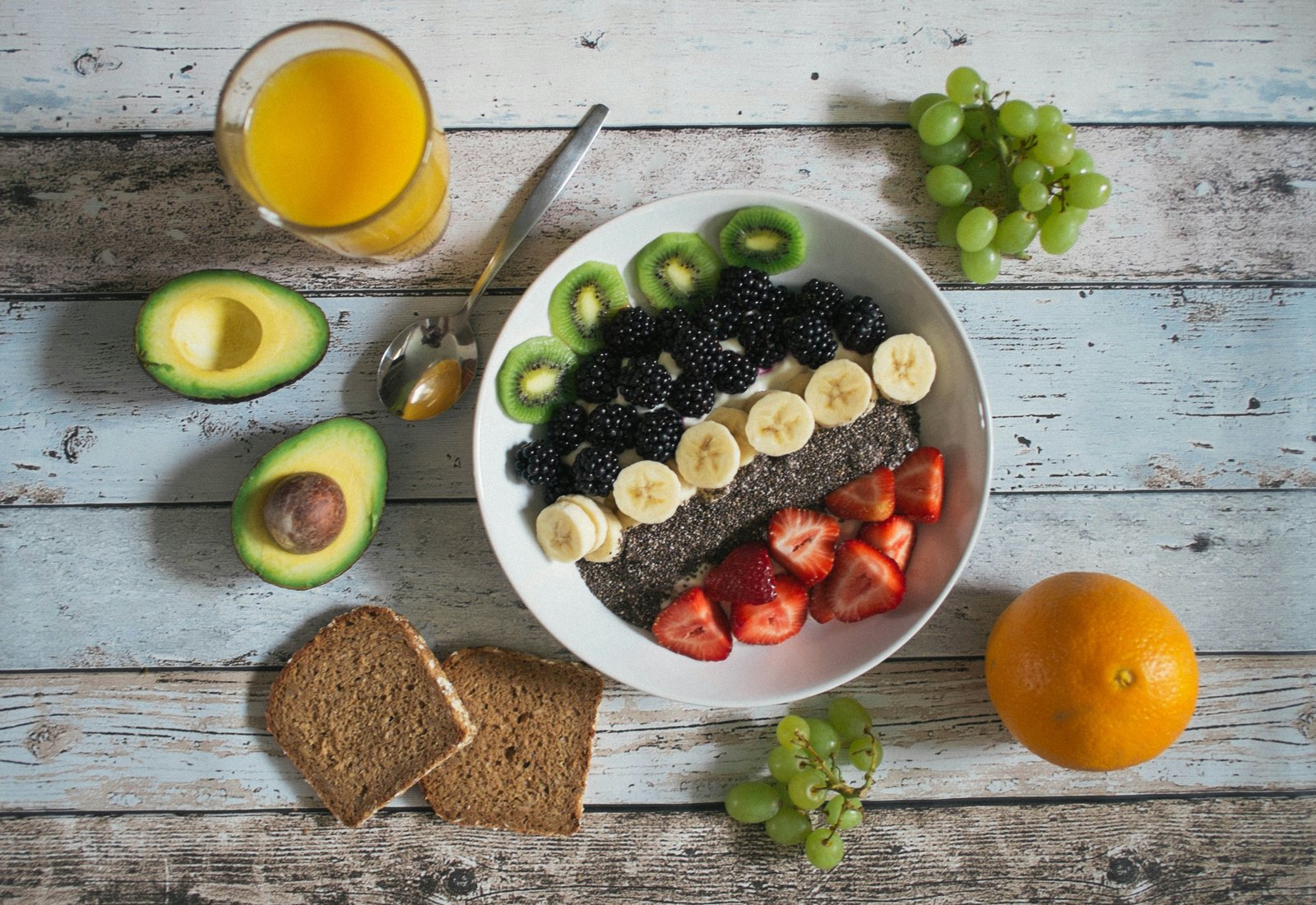
- Add chia seeds or oats to breakfast, both are easy, versatile fiber sources.
- Increase fiber gradually, and drink plenty of water as you do, to avoid bloating or discomfort.
- Aim for variety, not just volume; different plants feed different gut bacteria.
Frequently Asked Questions
- How much fiber should I eat per day?
- Most adults need between 22 and 34 grams of fiber a day, depending on age and sex. A simple rule is about 14 grams of fiber for every 1,000 calories you eat.
- What is the difference between soluble and insoluble fiber?
- Soluble fiber dissolves in water, feeds gut bacteria, and helps manage blood sugar and cholesterol. Insoluble fiber doesn't dissolve, adds bulk to stool, and helps keep digestion moving regularly. Most plant foods contain a mix of both.
- Can eating too much fiber be bad for you?
- Adding a lot of fiber too quickly can cause bloating, gas, or stomach discomfort. It's best to increase fiber gradually and drink plenty of water as you do.
Bottom Line
Fiber isn't just a trend; it's one of the most well-supported, low-cost ways to support your gut, heart, and long-term health. You don't need to chase a perfect number or follow a viral challenge. Simple swaps, like choosing whole grains and adding more beans, fruits, and vegetables to meals you already eat, go a long way.
References and Further Reading
- ScienceDaily. Scientists say this simple diet change could transform your gut health. Read the article
- Daley SF, Shreenath AP. The Role of Dietary Fiber in Health Promotion and Disease Prevention: A Practical Guide for Clinicians. StatPearls, NCBI Bookshelf (2025). Read the guide
- NutraIngredients. Fibermaxxing fades as fiber diversity dominates 2026 trends. Read the article
- Meiners F, et al. Gut microbiome-mediated health effects of fiber and polyphenol-rich dietary interventions. Frontiers in Nutrition (2025). Read the review
- Dietary Fiber and Cancer Management: A Twenty-Five-Year Bibliometric Review. PMC. Read the review
- HopeHealth. Fiber Focus: A Hot and Healthy Trend in 2026! Read the article
- Quality Assurance and Safety of Crops & Foods. The role of fiber in gut health and chronic diseases: a comprehensive review. Read the review
Disclaimer: This article is for general information only and is not medical advice. Talk to a doctor or dietitian before making major changes to your diet, especially if you have a digestive condition.