
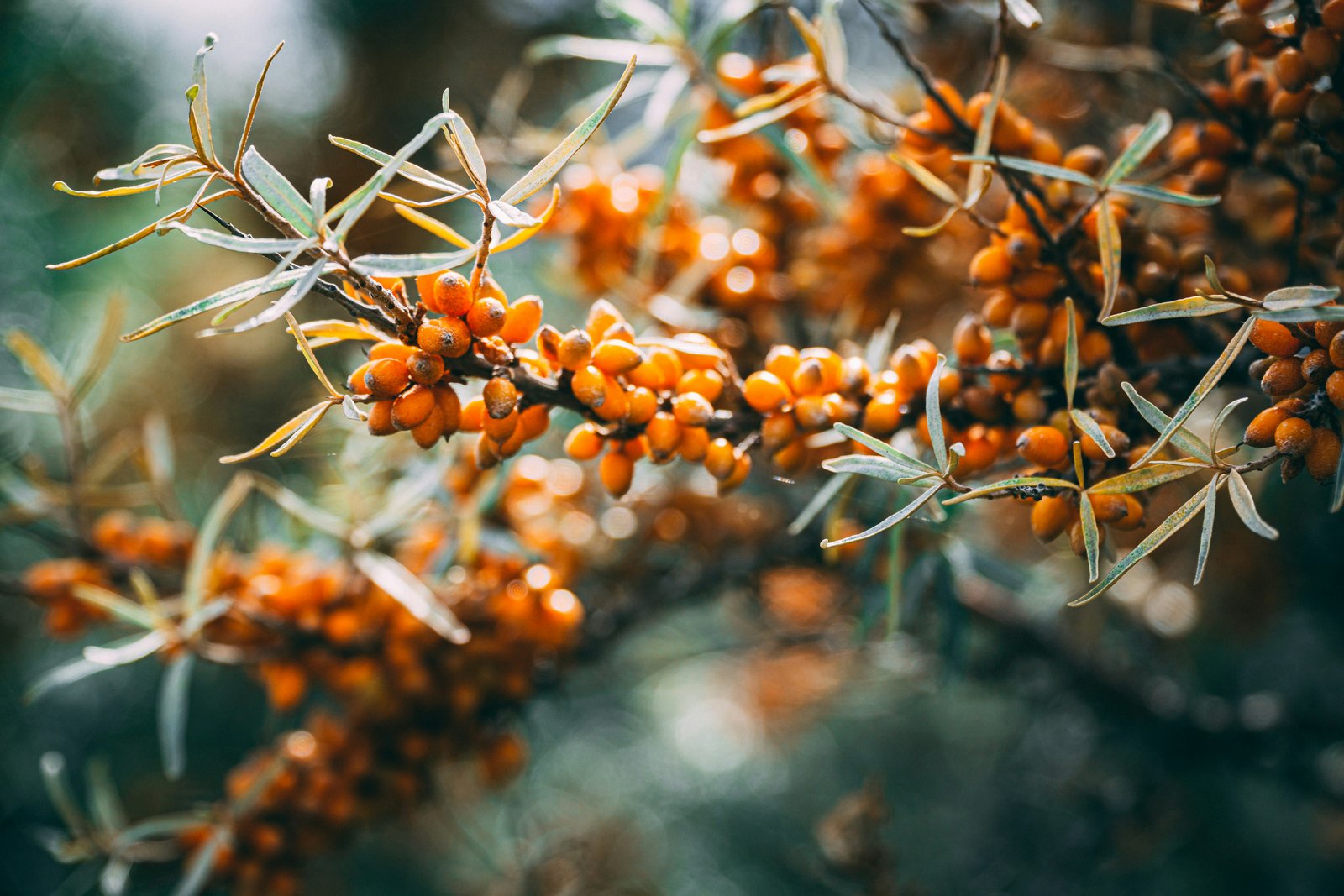
Sea Buckthorn Benefits: What the Science Says About This Orange Superberry
The Tart Orange Berry Taking Over the Wellness World
Sea buckthorn (Hippophae rhamnoides) is a small, bright-orange berry now found in juices, oils, supplements, and skincare. It is also known as Siberian pineapple, sand thorn, and sea berry. Every part of the plant has traditionally been used in medicine, supplements, and soil conservation. This guide covers sea buckthorn benefits, how to use it, and who should be careful.
Traditional Healers and Modern Researchers: Who Is Behind the Buzz?
Tibetan, Mongolian, and Chinese medicine have used sea buckthorn for centuries. Today, researchers are studying it seriously. A 2022 review in Frontiers in Nutrition concluded that it is a dietary source of bioactive ingredients with potential for functional foods or supplements, which "deserves further research." Dietitians advise enthusiasm with caution, since marketing often runs ahead of evidence.
From Himalayan Slopes to Your Kitchen: Where Sea Buckthorn Grows
The genus originated in the Hengduan Mountains and East Himalayas area and is widely distributed across temperate Eurasia. It thrives in cold, high-altitude terrain and is also cultivated in Canada and parts of Europe.
A Centuries-Old Remedy Meets the Modern Superfood Trend
Traditional use goes back many centuries. With the global rise of functional foods, sea buckthorn oil, juice, and powder are now widely sold in Western stores and online.
Why Sea Buckthorn Matters: Potential Health Benefits
Published research points to several possible benefits:
- Antioxidant support: Sea buckthorn is rich in vitamins, especially vitamin C, and has been nicknamed the "King of VC."
- Heart health: Recent meta-analyses report significant improvements in total cholesterol, triglycerides, LDL, and HDL, particularly in people with hyperlipidemia. Results vary across studies because of differences in trial design, dose, and participants.
- Eye comfort: A 2019 study linked daily sea buckthorn intake to reduced eye redness and burning.
- Digestive health: A 2025 review in Frontiers in Pharmacology noted anti-inflammatory effects, intestinal barrier protection, and gut flora balance, though much of that evidence comes from animal experiments.
- Skin and wellness uses: Oil is widely used topically for dryness and irritation, and reviews also mention possible roles in psoriasis and skin protection.
Important: Reviewers stress that further high-quality studies are needed to firmly establish clinical efficacy. At present, the strongest evidence supports it as a bioactive-rich functional food with promising but not yet fully established clinical benefits. Sea buckthorn is not a proven treatment for any disease.
How to Use Sea Buckthorn Safely: Dosage, Forms, and Side Effects
Common forms: fresh berries, juice, tea, powder, capsules, and skin oil.
Safety tips:
- Start with small amounts to check how your body reacts.
- Dilute or sweeten juice, as it is very acidic.
- Consult a doctor first if you take blood thinners or diabetes medication, or have a bleeding disorder, as it may affect clotting and blood sugar.
- Seek medical advice if you are pregnant, breastfeeding, or facing surgery.
- Buy from trusted brands, since supplements are loosely regulated.
- Possible side effects include stomach upset or diarrhea.
- Product quality varies: composition and bioactivity differ by plant part, extract type, and processing method, which complicates comparison across studies.
Frequently Asked Questions
- Is sea buckthorn good for skin?
- Topical oil may help moisturize and soothe dry skin, but results vary.
- Can I take sea buckthorn daily?
- Small amounts in food are generally considered safe for most healthy adults. For supplements, follow label directions and ask a doctor.
- What does sea buckthorn taste like?
- Very tart and citrusy, often compared to a mix of orange and pineapple.
Bottom Line
Sea buckthorn is a nutrient-dense fruit that can complement a balanced diet, but it is not a miracle cure. Larger, longer human trials are still needed.
References and Further Reading
- Wang Z, et al. (2022). Phytochemistry, health benefits, and food applications of sea buckthorn (Hippophae rhamnoides L.): A comprehensive review. Frontiers in Nutrition. Read the study
- Sea buckthorn bioactive metabolites and their pharmacological potential in digestive diseases. Frontiers in Pharmacology (2025). Read the study
- The miracle Berry: Unveiling the therapeutic attributes of sea buckthorn: A review. ScienceDirect (2025). Read the review
- Sea buckthorn: nutritional composition, bioactivity, safety, and applications: A review. ScienceDirect (2024). Read the review
- Bioactive Components and Functional Applications of Sea Buckthorn: A Review. PMC. Read the review
- Healthline. The Top 11 Health Benefits of Sea Buckthorn Oil. Read the article
- News-Medical. Sea Buckthorn Benefits for Skin, Heart Health, and Inflammation. Read the article
Disclaimer: This article is for general information and is not medical advice. Consult a healthcare professional before starting any supplement.